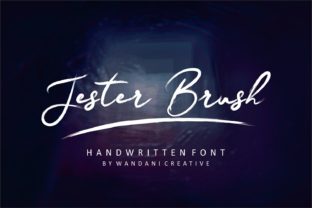
Jester Brush: A Versatile Script Handwritten Font for Modern Branding
I remember staring at a blank InDesign file, the cursor blinking on a white canvas. The client wanted a boutique skincare brand that felt organic but luxurious—something that didn’t scream “corporate” but still commanded attention on a shelf full of competitors. I had tried three other brush fonts that morning; they were either too chaotic or too rigid. Then I dragged Jester Brush onto the artboard. It wasn’t just another typeface; it was the missing piece of the puzzle. Its loose flow and classy style immediately softened the layout while maintaining enough structure to feel professional. If you are a designer tired of searching for that perfect balance between messy creativity and polished elegance, this review will show you why Jester Brush deserves a spot in your toolkit.
Jester Brush for Logo Design and Brand Identity Systems
When evaluating Jester Brush, the first place designers usually look is logo design, and honestly, it delivers. As a Script Handwritten typeface, it possesses a unique personality that can define a brand’s voice before a single word is read. I tested it on a mockup for a local artisanal coffee roaster, using it for the primary logotype. The font’s natural variation mimics the pressure of a real brush, giving the letters weight and rhythm without looking like a generic calligraphy template. This makes it an excellent choice for businesses that want to convey authenticity, craft, and human touch.
However, its strength lies in its versatility. While it works beautifully as a standalone display font for a logo, it also pairs exceptionally well with clean sans serif fonts for secondary information. In my testing, combining Jester Brush with a geometric sans serif created a modern typography system that felt both trendy and timeless. For creative studios, handmade sellers, or lifestyle brands, using Jester Brush as the anchor of your brand identity ensures immediate recognition. It adds an attractive appeal to your brand images because it feels curated rather than mass-produced. Just remember that for complex logos, you may need to adjust tracking slightly to ensure the loose flow doesn’t cause visual clutter at smaller sizes.
Jester Brush on Product Packaging and Physical Merchandise
One of the most compelling use cases for Jester Brush is product packaging. I recently applied it to a series of labels for a handmade soap line, and the results were striking. The font’s classy style translates remarkably well from screen to print. On a matte black label with gold foil stamping, Jester Brush looked expensive and high-end. The loose flow of the characters allows the eye to glide across the text, which is crucial for packaging where you have limited space to communicate value.
This font shines when used for short phrases on jars, boxes, and tote bags. Because it is a Fonts category standout for decorative purposes, it grabs attention without overwhelming the design. I found that it worked particularly well for accent text—such as “Handcrafted,” “Organic,” or “Limited Edition”—where a subtle handwritten touch elevates the perceived quality of the item. Whether you are designing for Etsy shops, print-on-demand merchandise, or boutique retail displays, Jester Brush adds a layer of sophistication that plain scripts often lack. It bridges the gap between playful and premium, making it ideal for entrepreneurs who want their physical products to stand out on crowded shelves.
Jester Brush for Social Media Graphics and Digital Content
In the digital realm, scroll-stopping visuals are everything. When creating social media graphics, I turned to Jester Brush for quote cards and promotional banners. The font’s dynamic strokes work beautifully against solid backgrounds or soft gradients, common aesthetics in modern web design and Instagram layouts. I tested it for a series of motivational quotes for a wellness influencer, and the handwritten nature of the typeface made the content feel personal and relatable.
For bloggers and content creators, Jester Brush serves as a powerful tool for editorial design within digital spaces. Using it for headers or pull quotes breaks up long-form text and adds visual hierarchy. It performs well in website headers when used sparingly, acting as a creative font that introduces the site’s personality. However, readability remains key. While Jester Brush is versatile, it is best kept as a headline font or accent font for digital assets. Avoid using it for body copy or navigation menus, as the loose flow can reduce legibility on smaller mobile screens. Instead, let it highlight key messages, event dates, or special offers where impact matters more than volume.
Font Pairing and Technical Considerations for Designers
To get the most out of Jester Brush, understanding how to pair it is essential. As a Script Handwritten font with a distinct character, it needs a neutral partner to ground the design. I recommend pairing it with a simple sans serif font for functional text or a classic serif font if you want to lean into a more traditional, elegant aesthetic. This combination ensures that your brand identity remains consistent and readable across all mediums. When reviewing included styles, check for any available alternates or ligatures that might enhance specific letter combinations, though even in its standard form, Jester Brush offers plenty of visual interest.
Before committing to Jester Brush for final client work, always test it in context. Create a mini brand board that includes your logo, business card, and a sample social post. See how the font behaves in monochrome versus color. Pay attention to how the loose flow interacts with your chosen color palette. Additionally, be mindful of commercial font licensing. If you plan to use Jester Brush in templates, merchandise for resale, or large-scale advertising, ensure you have the appropriate license to avoid legal issues. For small business owners and freelancers, verifying these details upfront saves time and stress later.
Why Jester Brush Fits Your Creative Workflow
Ultimately, Jester Brush is more than just a collection of glyphs; it is a design asset that brings energy and class to your projects. Its ability to adapt to various contexts—from intimate handwritten quotes to bold logo designs—makes it a valuable addition to any graphic designer’s library. Whether you are refreshing a café’s visual identity, launching a new skincare line, or simply adding flair to your personal blog, Jester Brush offers the attractive appeal you are looking for. By integrating this versatile brush font into your workflow, you ensure that your designs feel human, crafted, and distinctly memorable. Take the time to experiment with its weights and placements, and you will find that it elevates your creative output in ways that generic scripts simply cannot.